Gambling can create financial harm when spending begins to compete with essential expenses or becomes difficult to track. GamCare advises people concerned about gambling-related finances to start by understanding their spending and identifying priority expenses. Digital deposits make moving money into a betting account quick, so having financial boundaries in place before depositing can make expenditure easier to monitor.
Account controls are a practical place to start. Before adding funds, users can review available limits, payment options, and other financial settings through the MZPlay login page or the equivalent account area on the platform they use. This check should focus on understanding how money enters and leaves the account rather than on deciding what or how much to bet.
1. Decide on a Budget Before Depositing
A gambling budget should be separate from money needed for housing, food, utilities, debt payments, savings, and other financial commitments. Setting the amount beforehand creates a clear boundary rather than leaving the decision until funds are already available in an online betting account.
The National Council on Problem Gambling recommends establishing financial and time limits before gambling and using only money that can be lost without affecting essential expenses. Borrowing money or using funds intended for bills can increase the potential financial consequences.
A simple approach is to treat any planned gambling expenditure as discretionary entertainment spending. If there is no room for it after essential costs and savings, the budget can simply be zero.
2. Check the Available Deposit Limits
Next, find out whether the account allows daily, weekly, or monthly deposit limits. A deposit limit restricts how much money can be transferred into an account during a defined period.
The National Council on Problem Gambling includes payment limits among its recommended responsible gambling safeguards. In Great Britain, the Gambling Commission also requires licensed online operators to give customers an opportunity to set deposit limits, with updated rules taking effect from June 2026.
Where these controls are available, consider setting them before making the first deposit. A predetermined limit provides a clearer financial boundary than repeatedly deciding whether to add more money.
3. Read the Withdrawal Rules
Deposits often receive more attention than withdrawals, but withdrawal conditions matter when managing money. Check which withdrawal methods are supported, whether minimum withdrawal amounts apply, and how long processing may take.
Also review identity-verification requirements. A platform may need certain information before processing withdrawals, depending on its policies and applicable regulations. Knowing the requirements beforehand reduces the chance of being surprised when requesting access to account funds.
4. Review Your Transaction Records
Small digital transactions can add up without feeling as noticeable as cash leaving a wallet. Regularly reviewing account history can provide a more accurate picture of total expenditure.
Compare betting-account records with bank, card, or e-wallet statements. Look at total deposits over a week or month rather than focusing on individual transactions. Keeping a separate record for tracking gambling spending can also make it easier to see patterns and recognize when expenditure is moving beyond the amount originally budgeted.
GamCare identifies tracking spending as an important step in gaining control of personal finances. Transaction records can help show whether actual gambling expenditure is staying within the budget originally set.
5. Choose Payment Methods Carefully
Before linking a payment method, consider how easy it is to monitor and control. Debit cards, bank transfers, and digital wallets can each appear differently on statements and may have different transaction procedures.
A dedicated payment method can sometimes make discretionary expenditure easier to identify, but users should avoid treating access to additional payment sources as an extension of their gambling budget.
Some financial institutions also provide gambling transaction controls. GamCare reports that many UK banks offer gambling blocks, while certain banks provide additional controls such as gambling spending limits or cooling-off periods. Availability differs by country and financial institution.
6. Look for Fees and Payment Conditions
Before transferring money, check whether deposits or withdrawals can involve fees. Charges may come from the gambling operator, bank, card provider, payment processor, or currency conversion process.
Foreign-exchange costs can be particularly relevant when an account and payment method use different currencies. Even relatively small transaction charges can affect the total amount spent when payments are made repeatedly.
Reading the payment terms before depositing provides a clearer picture of the real cost of moving money into and out of the account.
7. Put a Firm Spending Limit in Place
The final check is whether the planned budget has an enforceable boundary. A personal intention can help, but account-level limits or banking controls can add another layer of protection.
If the platform offers deposit limits, spending controls, time-outs, or self-exclusion tools, understand how they work before they are needed. Some banks also allow customers to block gambling transactions altogether. These controls can introduce friction between an impulse to deposit and the actual transfer of money.
Importantly, increasing spending should not be treated as a way to recover previous losses. If expenditure exceeds the planned amount, stopping rather than adding funds protects the original financial boundary.
Keep Gambling Separate From Essential Finances
Money management cannot remove the financial risks associated with gambling, but it can make expenditure more visible and boundaries more concrete. Before funding a betting account, check the budget, deposit controls, withdrawal conditions, transaction history, payment methods, fees, and overall spending limit.
Gambling carries a risk of financial harm and should never be treated as a source of income or a solution to debt. If spending becomes difficult to control, consider stopping gambling, using self-exclusion or banking blocks, and seeking support from a qualified gambling-support service. GamCare advises people who feel out of control to create distance from gambling and consider tools that restrict access to gambling sites and payments.
Ultimately, responsible money management begins before the first deposit. Understanding the financial controls attached to a betting account and setting limits in advance can help keep discretionary spending separate from money needed for everyday life.

 Research and probability can help someone understand a game, but they cannot guarantee an individual outcome. This is particularly important when digital platforms make transactions and games easily accessible.
 One of the most crucial keys to responsible online gambling is to manage your finances properly. For many players, games and predictions are more important than financial management, but that’s a crucial part of the equation for a longer-lasting game. If you make healthy money habits, you’ll minimize risks that don’t need to be there.




 By dividing and encrypting files among numerous separate nodes, decentralized methods improve privacy. It is significantly more difficult for hackers or authorities to breach when no single party possesses all the data. Users may directly manage who has access to their information because they are the ones who possess their keys.
 Make a detailed budget to track your income and expenses, including gaming. This will help you avoid overspending.
 A lot of people put their money on the line in the hopes of winning big and being financially independent. Still, the house always has the advantage. There is a deliberate effort to maximize financial gain at casinos and other gambling establishments, and this effort extends to the regulations of the games played there.
 Interactive and social gambling are growing in appeal among skill-and-chance gamblers. Imagine shuffleboard with technology, competition, and interesting betting opportunities in the future. Imagine thrilling huge Jenga tournaments with rising stakes. These games add a fun element of friendly competition to traditional pastimes. They are perfect for fun, social evenings with friends.

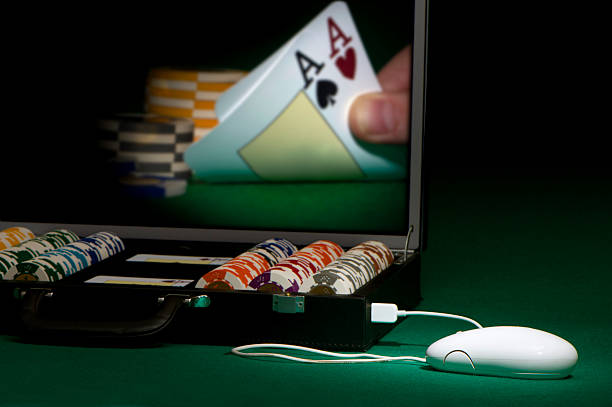

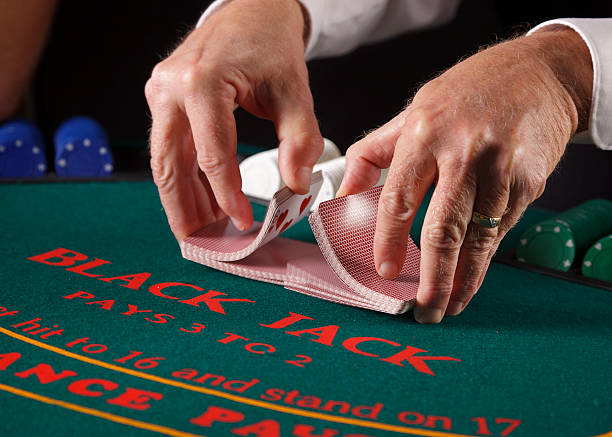











 Many baccarat players lean on betting systems because they want more control at the table. The Martingale is the most well-known, double the bet after every loss and stop once you win. The idea is that the recovery hit will erase everything that came before and leave you with profit. It sounds smart, especially when people search guides or forum threads about bet on baccarat (แทงบาคาร่า), but this system ignores one harsh truth: as your bet size grows, so does your risk. One bad streak is all it takes to hit the table limit or your personal limit, and when that happens, losses stack faster than you can recover from them. On paper, the math looks tidy. In real bankroll situations, it’s one of the quickest paths to running out of funds.